


Walking Baits vs Poppers for Bass: Choosing and Fishing Topwater
Choose a walking bait when you want to search a stretch of water with a side-to-side surface presentation. Choose a popper when you want splash, sound and pauses around a more precise target. There is overlap: some poppers also walk. Understanding how far the lure travels with each movement is more useful than treating the two styles as completely separate tools.
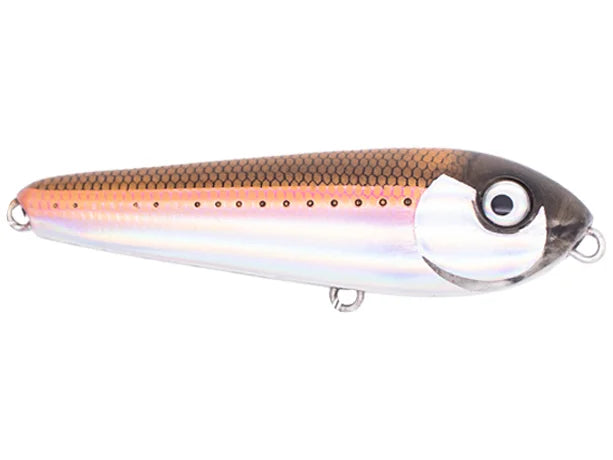
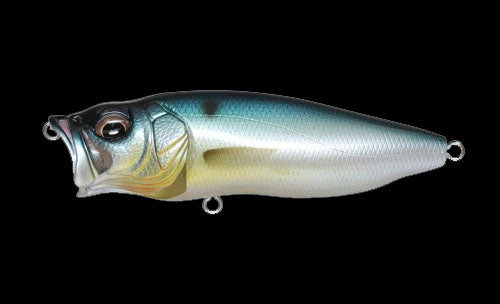
| Presentation | What it helps you do | Example to compare |
|---|---|---|
| Walking bait | Cover an edge or an open-water route with lateral movement | Geecrack Akasick Pencil 90 |
| Popper | Work a target with pops, chugs and pauses | Megabass PopMax |
| Walking a popper | Mix lateral movement with a different sound and splash | PopMax with gentle rod inputs |
Start with the route you want the bait to travel
An open pocket beside grass, a point and a dock corner offer different casting routes. Along a long edge, a walking bait lets you present a moving target through a useful stretch of water. Beside one isolated piece of cover, a popper lets you concentrate several movements near the same place. Think about where the bait will be after the third movement, not just where the cast lands.
Keep exposed treble hooks in mind when choosing the route. These hard baits fit open lanes, the outside of cover and water above submerged vegetation more comfortably than a cast into a solid mat. If loose grass continually catches the hooks, adjust the casting angle or choose a presentation suited to that cover. An attractive surface action loses its value when the lure spends most of the retrieve fouled.
Walking baits turn rhythm into side-to-side movement
Walking the dog comes from brief rod inputs followed by enough slack for the lure to change direction. Begin with short casts where you can watch the whole bait. Give a small twitch, let the tip recover and take up only the excess line with the reel. Build a repeatable left-right rhythm before increasing the casting distance or speed.
If the lure runs straight toward you, inspect the amount of tension between twitches. Constant pressure can pull it forward before it has room to turn. Too much slack creates a different problem: the next input may never reach the bait, and a loose loop can catch a hook. Aim for a small, controlled bow in the line and a cadence that keeps each movement distinct.
A popper lets you vary sound and forward travel
A cupped face displaces water when you move the lure. A gentle movement may produce a restrained spit; a stronger pull can create a more pronounced pop or chug. Begin with enough input to make the intended sound while keeping the bait near the target. Watch its actual travel, because a series of forceful pulls can bring it away from cover sooner than you expect.
Pauses are part of the presentation. Try a few separated pops around a target, then compare that with a short burst followed by a rest. Keep the same casting route while you change cadence so the comparison means something. There is no universal pause length that fits every day, and a loud retrieve is only useful when the fish respond to it.
How Akasick Pencil 90 and PopMax differ
GEECRACK describes the Akasick Pencil 90 as a pencil bait that rests close to horizontal with its tail slightly lowered and is built for extended skating movement. That makes it a useful example when learning to control the length of a walking glide. A slower cadence can still create substantial lateral travel; walking a bait does not require racing it back to the rod tip.
Megabass lists the PopMax as a floating, 1/2-ounce popper with a water-channel system. It can be popped conventionally or worked with gentle rod-tip movements to create a rolling walk. Treat that as another presentation to test, rather than expecting it to follow exactly the same route as a pencil bait. The useful comparison is how each lure moves and sounds beside your target.
Match the rod to the lure and the way you work it
Check the complete lure weight against the rod's stated casting range, then consider tip position, handle length and the space beside you. Repeated downward twitches can be awkward with a rod that is too long for your fishing position. From a low bank or kayak, a shorter working arc or a sideways movement may be more comfortable. Controlled movement matters more than copying someone else's exact rod length.
These baits carry exposed trebles, so choose the rod, line and drag together. A very stiff rod paired with low-stretch line can apply pressure abruptly. A more forgiving combination can help maintain tension through a fight, but it still needs enough control to cast and work the lure. The Cashion bass-rod guide explains how power, action and lure rating affect that choice.
Choose line that lets the bait work at the surface
Nylon monofilament is a practical starting point for many hard-topwater setups. A braid mainline with a suitable nylon leader is another option when you want the handling of braid with a different connection near the lure. Compare the actual diameter, hook clearance and finished action. A long sinking fluorocarbon section can pull at a surface lure's nose, particularly during pauses.
Make a short test cast after changing line or adding hardware. Check whether the lure turns freely, whether it stays in the intended working position and whether the front treble catches the line. More hardware at the nose changes the finished system. Our braid, fluorocarbon and mono guide covers those tradeoffs in more detail.
Adjust to surface conditions and the fish's response
On a calm surface, small movements are easy to observe and give you a useful starting point for judging the bait. With a light ripple, you may need a more noticeable sound or a different cadence to keep the presentation distinct. Strong wind also puts a bow in the line and makes accurate control harder. Adjust your position and casting angle before assuming the lure itself has stopped working.
Watch for more than a landed fish. A follow, a missed strike or baitfish moving near the surface can help you decide whether to change pace, pause longer or revisit the same route with the other style. If nothing suggests surface feeding, give a subsurface presentation a fair comparison. Low light can create an opportunity, but the clock alone does not tell you where bass will feed.
Choose a visible profile, then refine the finish
Start with the forage size and the outline you want a fish to see from below. A walking bait's travel and a popper's disturbance are often more useful first decisions than a particular paint name. Pick a finish you can track well enough to judge the retrieve, then compare a different level of contrast if fish follow or miss without committing.
Keep the model and presentation consistent when testing color. Switching from a walking pencil to a larger popper in another finish changes several things at once. If one works better, you will learn more by first identifying whether the difference came from travel, sound or pause. Check the exact color selection on the product page when ordering, since availability varies within each bait family.
Turn the strike into controlled pressure
A surface explosion can happen before the fish has secured the lure. Keep the rod under control, recover slack and let the fish load the setup before applying a smooth sweep. Avoid responding to the splash with a violent snap that pulls the bait away or sends exposed trebles toward you. Maintain steady pressure through the fight and use the drag to protect the hooks and line.
Inspect the trebles, split rings and working end of the line after contact with cover or a fish. A bent point, damaged leader or fouled rear hook can change the next retrieve as well as the next hookup. Small setup checks are especially useful when a bait has started missing fish after working normally earlier in the day.
Know when to move below the surface
A walker and a popper give you two useful surface presentations, but neither reaches a fish that is unwilling to rise. When the useful cover or feeding activity is below the surface, choose a lure that can work at that level. In cooling water, the cold-water crankbait guide explains another way to search shallow and mid-depth cover. For suspended baitfish presentations, compare the Vision 110 jerkbait guide.
Use the surface choice deliberately: a pencil when its walking route fits the water, a popper when its sound and pauses fit the target, or a walking popper when that combination produces the response you need. A small selection of baits you can control confidently is more useful than carrying several similar plugs without a clear job for each.
Compare the current Akasick Pencil 90 options and PopMax options, then return to Gear Guides for more tackle selection and fishing advice.
Manufacturer references: GEECRACK Akasick Pencil 90 design and action; Megabass PopMax specifications and actions; Megabass roll-walking and popping techniques; Megabass topwater-popper tackle guidance